Commercial Blunt Machine Buyer Guide
Learn what to look for in a commercial blunt machine, including output, blunt size, wood tip compatibility, labor savings, consistency, and production scalability.
Buying a Commercial Blunt Machine Is a Production Decision
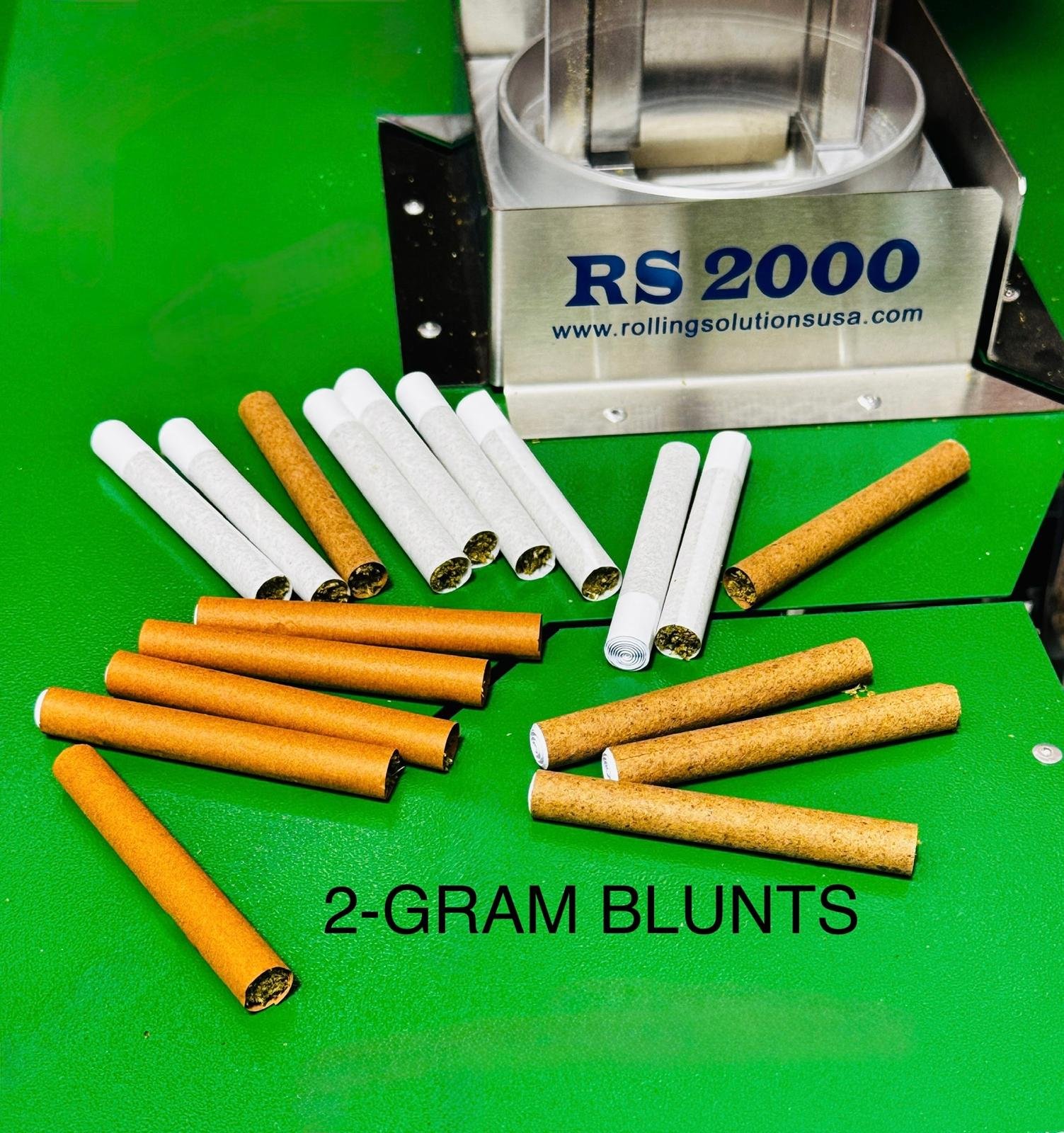
Buying a commercial blunt machine is not only about speed. The right equipment should support the full production workflow, including blunt size, material handling, wood tip compatibility, labor efficiency, consistency, training, maintenance, and finished-product quality. For operators producing 1.5 g to 2 g blunt formats, the equipment decision becomes even more important because larger formats use more material and make finished-product presentation more visible.
Media and Production Reference
Add up to three images and two full-frame videos from the plugin admin panel. Only active media links display on this page.
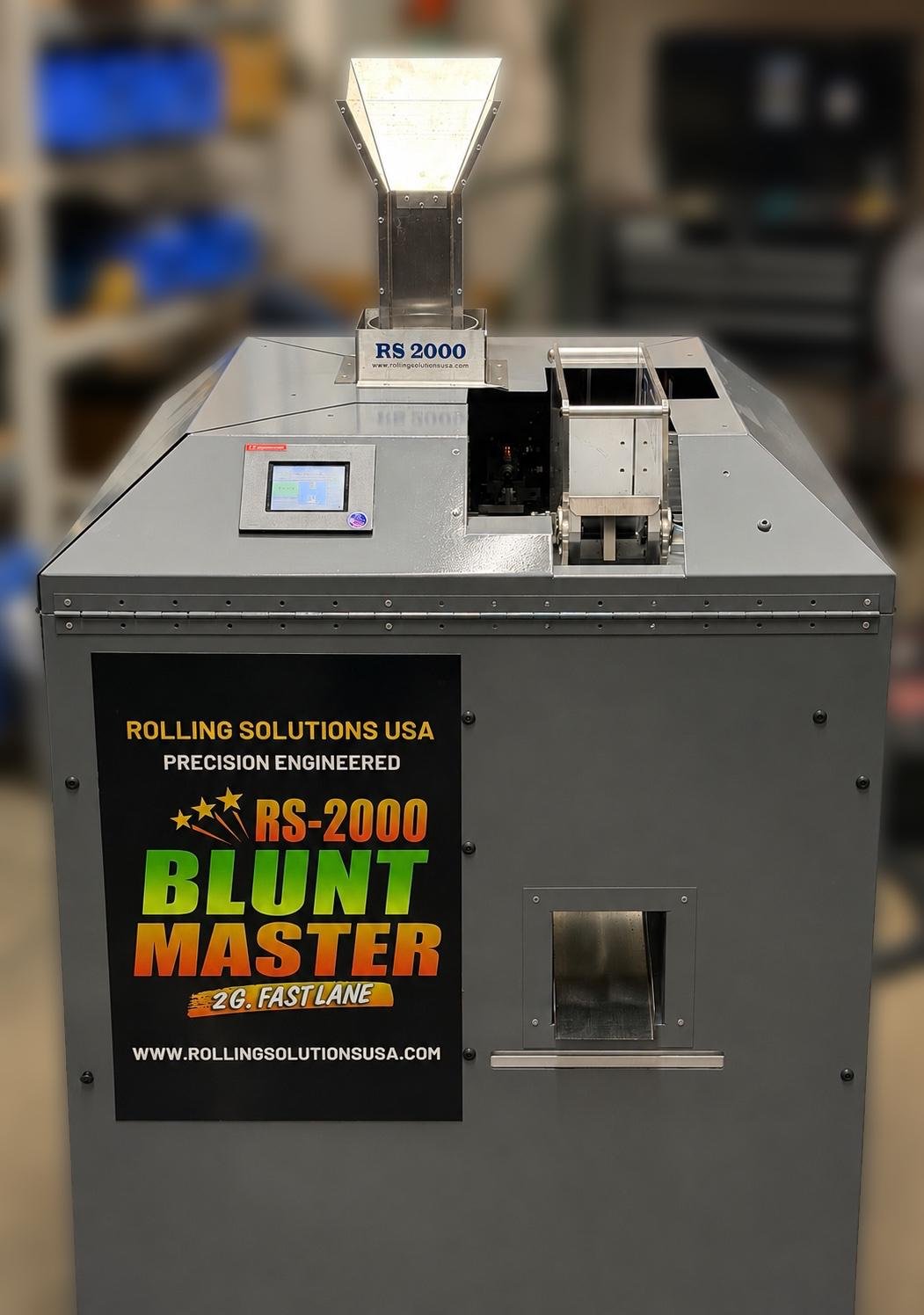
What this guide covers
- Format support for the intended blunt size Real output under production conditions Operator workflow and training requirements Wood tip compatibility and finished presentation Density, shape, and repeatability at scale
Production highlights
- Designed for large-format blunt production Built around repeatable workflow planning Supports buyer evaluation before a live demo Connects equipment selection to labor and output planning
Table of Contents
Start with the Format You Actually Need
The first question is simple: what size are you producing? A commercial blunt machine should match the format your brand plans to sell. A machine built for smaller pre-rolls may not be the right fit for larger 1.5 g to 2 g blunt formats. Large-format production requires the right diameter, length, wrap handling, and tip compatibility.
Review Output and Real Production Throughput
Every equipment decision should include output expectations, but operators should look beyond the headline number. Ask how the machine performs during real production conditions: how many units it can support per hour, how many operators are needed, how much setup time is required, and how much inspection or finishing is needed after production.
Evaluate Labor Reduction
Labor is one of the main reasons operators look for a commercial blunt machine. Manual production can require a large team of trained workers, especially when output targets increase. The goal is to reduce dependency on hand rolling while keeping operators focused on material preparation, quality review, and workflow control.
Check Wood Tip Compatibility
Wood tip compatibility is a major factor for premium blunt production. Operators should confirm whether the machine supports wood tips, whether tip placement is consistent, whether the finished product maintains its shape, and whether the production workflow is repeatable at daily commercial volume.
Density and Finished Product Consistency
Large-format blunts need consistent density. If the product is too loose, it may feel poorly made. If it is too tight, airflow may suffer. A commercial blunt machine should help create repeatable results across shape, density, tip placement, and finished appearance.
Long-Term Scalability
Operators should buy for where production is going, not only where it is today. A commercial blunt machine should support growth through output capacity, repeatable quality, reliable workflow, and the ability to produce the target format consistently.
External Production Planning Reference
Operators reviewing production investments may also use external market and regulatory data as part of broader planning. Review external market data.
Ready to review The Blunt Master for your production room?
Use this guide to compare commercial blunt machine requirements, review production fit, and move from research into a focused demo conversation.
All information is for evaluation purposes and does not constitute a warranty, production guarantee, or operational commitment. Actual results may vary based on materials, staffing, workflow, maintenance, and production environment.